

Buddhist temple

Eco Friendly Environment

Secure Parking

Watching Time : 2 or 3 Hours
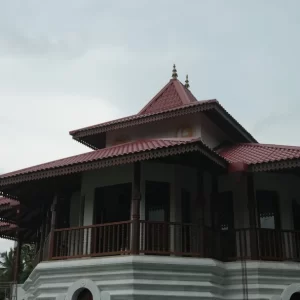
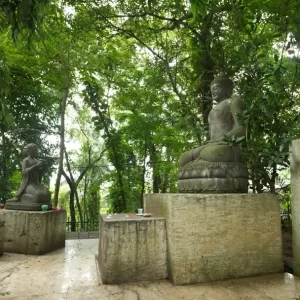
-
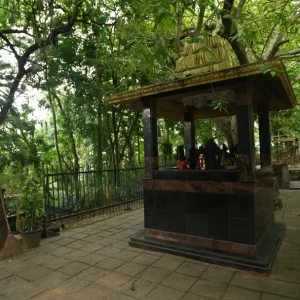
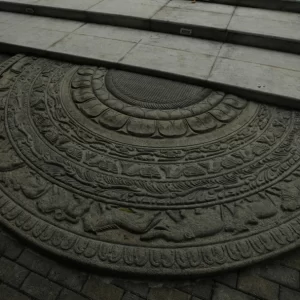
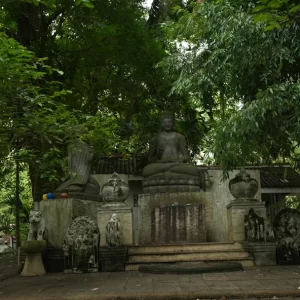
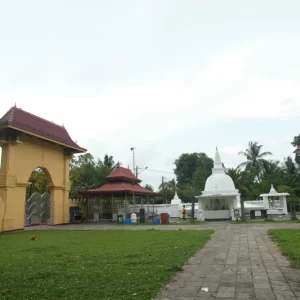
Kotte raja maha viharaya is the most famous temple in the 7th ancient kingdom of Sri Lanka. It s the last place of worship where the tooth relic of Lord Buddha... Read More

Gayan Yasanuwan
April 25, 2021An ancient temple set in a vast area. Calm peaceful and holy place. People can perform their religious activities at leisure. If you are lucky you can see the Kotte... Read More
Nilumi Perera
April 25, 2021 -
The Kotte Kingdom, a significant chapter in Sri Lanka's history, flourished during the 15th century. It was a period marked by both cultural brilliance and political intrigue, shaping the course... Read More
Oshada Gunasekara
December 25, 2024If you are interested in the history and fully fledged culture of Sri Lanka, you might want to visit the Kotte Rajamaha Vihara, a historic Buddhist temple situated in Sri... Read More
Leon Mudalige
April 25, 2024 -
A historic Buddhist temple situated in Sri Jayawardenepura Kotte, Western province, Sri Lanka. It is located near to the historic building Pita Kotte Gal Ambalama at the Pita Kotte junction on Kotte road. The temple has been... Read More
M¡hiN_M¡ndula
April 25, 2022I also performed sri dalada perahera kotte . Its very interesting .
Shamila & Saranga
October 25, 2024 -
Kotte temple can be called as a good religious place that is worth visiting.This temple holds a big procession every year with tuskers and elephants.Traditional And Historical Place.The Kotte temple... Read More
Gihan Sandeep
April 25, 2023Kotte Rajamaha Viharaya, also known as Sri Jayawardenepura Kotte Rajamaha Viharaya, is an ancient Buddhist temple located in Sri Jayawardenepura Kotte, the capital city of Sri Lanka. This historic temple... Read More
Mayuri Karunarathna
August 25, 2024 -
A Historical Buddhist temple in Colombo suburbs.
Gayan Anuradha
April 25, 2023A famous historical temple in Pitakotte. Historical "Na Bodhiya" A lot of Buddhists are going to worship this place.
Sanath Keerthisinghe
April 25, 2024 -
There are few PET plastic collection bins. Devotees should practice to drop their PET waste into the correct bins. That will great help to the environment.
Asitha Dharshana
April 25, 2021The former Capital city of srilanka . Ancient and famous Bubbies temple . Kotte rajamaha viharaya..
Ruwan Peiris
April 25, 2020 -
Ancient Buddhist temple made in Kotte era. Many Buddhists visit this temple which has a Nà bodhi which is believed to be the type of bodhi which would be used... Read More
Anoj Thabrew
April 25, 2023One of the historic buddhist temple located in the capital of Sri Lanka, built during the ancient Kotte kingdom. Calm and quite place. Annual perahera is one of key attraction... Read More
Prasanna Dahanayaka
April 25, 2018 -
This is another ancient temple built by King Parakramabahu, the 6th of the Kotte kingdom. The original structures were completely destroyed by the Dutch, and the temple was rebuilt in... Read More
Thushini Goonewardene
September 25, 2024The Kotte Sri Rajamaha Viharaya, located in Sri Jayawardenepura Kotte, is a historic Buddhist temple with profound cultural and religious significance. Established during the reign of King Parakramabahu VI (1412–1467)... Read More
Movindu Shenai
December 25, 2024 -
Lovely yearly pageant. This is over 100 year s old
Inuka Abayaratna
April 25, 2020Kotte Rajamaha Vihara is a beautiful ancient Buddhist temple and archaeological site right in the heart of Sri Lanka's capital but once you step inside, you’d never guess you're in... Read More
Chanuka Nadun
April 21, 2025 -
This is one of the great place which shows the religious similarity. Because in ancient Kingdom of Kotte, both temple and church was there in same place. Buddhist monks allowed... Read More
Roshan Priyashantha
April 25, 2020Temple has been built during the kotte period with the royal patronage and venerated by the royal court. The temple completed in all aspects described in details in the poetic... Read More
Shehan Ransara
April 25, 2019

Plan Your Next Eco Adventure
Receive travel tips, site highlights, and upcoming events in Kotte.